Making Every Date Memorable: How Digital Calendars and Visual Tools Help You Stay Organized
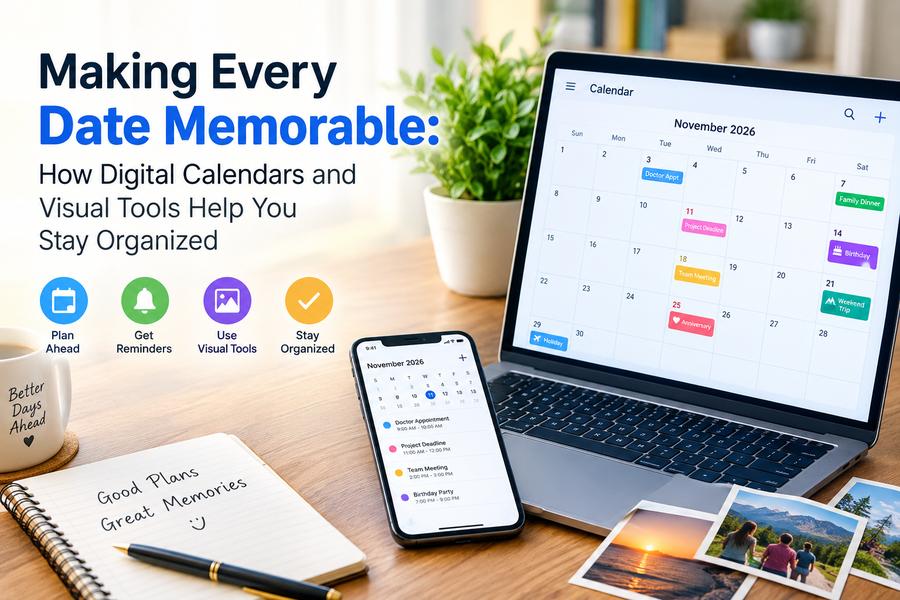
Dates shape our lives in more ways than we often realize. Birthdays, anniversaries, public holidays, school breaks, family gatherings, and important appointments all give structure to our days. Yet with so much happening at once, it is surprisingly easy to lose track of an important occasion or realize too late that a special date is approaching. Having a reliable way to check dates, plan ahead, and keep important moments organized can make everyday life a little less stressful.
For websites focused on dates, calendars, and everyday planning, visual information can make a real difference. Whether you are preparing a digital invitation, creating a calendar graphic, or designing a personalized reminder for an upcoming celebration, having the right image format matters. A useful tool such as a JPG to PNG converter can help you prepare images for different design needs, especially when working with graphics, text, or visual elements that may require a transparent background in the final design.
Why Keeping Track of Dates Matters
Most people have a handful of dates they never want to forget. These might include a partner’s birthday, a wedding anniversary, a child’s school event, or a deadline for renewing an important document.
The difficulty is that not every date receives the same attention. Major holidays are usually easy to remember because they appear in calendars, advertisements, and conversations. Smaller personal milestones can easily slip through the cracks, especially when everyday responsibilities take priority.
A dependable date-tracking routine helps prevent these last-minute surprises.
Start by identifying the dates that matter most to you. Add recurring occasions to a digital calendar, and set reminders a few days before events that require preparation. For larger celebrations, consider setting an additional reminder several weeks in advance.
For example, remembering a birthday on the day itself is useful, but receiving a reminder two weeks earlier gives you time to choose a gift, arrange a gathering, or send a card.
The goal is not to schedule every minute of your life. It is to create enough structure that important occasions receive the attention they deserve.
How to Use a Date Website More Effectively
A website that helps you answer questions about today’s date, upcoming holidays, or the number of days until an event can be a practical addition to your daily routine.
Instead of relying on memory or manually counting days on a calendar, you can use online date resources to check information quickly.
Here are a few ways to make that information more useful.
Check the date before planning an event
When arranging a meeting, trip, birthday celebration, or family gathering, confirm the exact date before making other arrangements.
This sounds obvious, but misunderstandings can occur when people are coordinating across different calendars, countries, or time zones.
If you are planning an international video call, for instance, a date that is still Monday evening for one person may already be Tuesday morning for another. Confirming the local date and time with everyone involved can prevent confusion.
Calculate how much time remains
Countdowns are useful for more than birthdays and holidays. They can help you prepare for exams, project deadlines, vacations, weddings, and other significant events.
Suppose you have a trip scheduled six weeks from now. Knowing the number of days remaining can help you divide preparations into manageable tasks, such as booking transportation, arranging accommodation, checking travel documents, and organizing your packing list.
A countdown turns a distant event into something easier to plan for.
Look beyond today’s date
Checking the current date is useful, but looking ahead can be even more valuable. Review the coming week or month to identify busy periods, overlapping commitments, and opportunities to prepare in advance.
A quick Sunday evening calendar review, for example, can help you enter Monday with a clearer understanding of what needs attention.
Understanding Calendar Dates, Holidays, and Special Occasions
Not all dates are interpreted in the same way around the world. Different countries follow different public holiday schedules, while cultural and religious observances may depend on specific calendar systems.
This is particularly important when planning events involving people from different backgrounds.
Public holidays vary by country
A date that represents a national holiday in one country may be an ordinary working day elsewhere.
Before scheduling business meetings, sending time-sensitive documents, or arranging international travel, check the relevant country’s official holiday calendar.
Remember that some holidays also have substitute or observed dates when they fall on weekends. Checking the actual schedule rather than relying on memory can save considerable inconvenience.
Some occasions change dates every year
Many celebrations occur on fixed calendar dates, but others move from year to year.
For example, Easter follows a different date each year in many Christian traditions. Other cultural and religious observances follow lunar or lunisolar calendars, meaning their dates may shift relative to the Gregorian calendar.
If you are planning around a movable holiday, confirm the date for the specific year rather than assuming it will fall on the same day as last time.
Leap years affect date calculations
A leap year includes February 29, an additional day introduced to keep the calendar aligned with Earth’s orbit around the Sun.
This extra day can affect countdowns, age calculations, and recurring annual events. If an important date falls on February 29, it is worth checking how the occasion will be observed in non-leap years.
For everyday planning, a reliable date calculator is often easier than trying to work out these details manually.
Turning Important Dates Into Visual Reminders
Sometimes a simple calendar entry is enough. Other occasions deserve a more personal reminder.
A customized birthday graphic, an anniversary card, a countdown image, or a monthly calendar design can make an upcoming event feel more meaningful. Visual reminders are particularly helpful for families, community groups, schools, and small businesses that need to share date-related information with others.
For example, a school could create a simple graphic listing the dates of upcoming parent meetings and holiday closures. A family might prepare a personalized countdown image for an upcoming vacation. A small business could design a seasonal announcement featuring opening hours during public holidays.
When creating these materials, keep the design practical.
- Make the date easy to read at a glance.
- Use clear typography and sufficient contrast.
- Include the year when the information could otherwise be ambiguous.
- Avoid crowding the design with unnecessary decorative elements.
- Check that the date and day of the week match before sharing the image.
A visually appealing reminder is only useful if the information is accurate.
Simple Habits for Better Date Management
You do not need an elaborate planning system to stay organized. A few consistent habits can make a noticeable difference.
Choose one main calendar. Keeping appointments scattered across several apps, notebooks, and messages makes it easier to overlook something. Use one primary calendar and add other tools only when they serve a clear purpose.
Set reminders based on the task. A birthday might need a reminder several days beforehand, while an appointment requiring travel may need an alert the previous day and another shortly before departure.
Review upcoming dates regularly. Spend five minutes checking the next seven days and identifying anything that requires preparation.
Keep recurring events on automatic reminders. Annual renewals, regular appointments, and recurring celebrations are easy to manage when they are added once and configured to repeat.
Verify dates before sharing them. If you publish an event announcement or send invitations, double-check the calendar date, weekday, location, and time.
These small practices reduce the mental effort involved in remembering everything and give you more time to focus on the event itself.
Why Accuracy Matters When Sharing Date Information Online
A date-related website can be especially helpful when its information is clear, current, and easy to verify. However, accuracy requires more than displaying a number on a page.
Time zones can affect the current date, particularly around midnight. Public holidays may vary by location, and some observances change annually. Even a simple countdown can become misleading if the start date, end date, or counting method is unclear.
When using online date resources, check the relevant location and year. For event planning, confirm important details with the organizer or an official source.
If you create date-related content for others, explain whether a countdown includes the current day and specify the time zone when it matters. These details may seem small, but they help readers understand exactly what the information means.
Conclusion
Staying aware of today’s date and planning for upcoming occasions can make everyday life more organized and less stressful. With a reliable calendar, useful online date resources, and a few consistent habits, you can keep track of important milestones without constantly worrying about forgetting something.
Whether you are preparing for a holiday, counting down to a special celebration, or creating a visual reminder, accurate information and thoughtful planning help make every date count.